
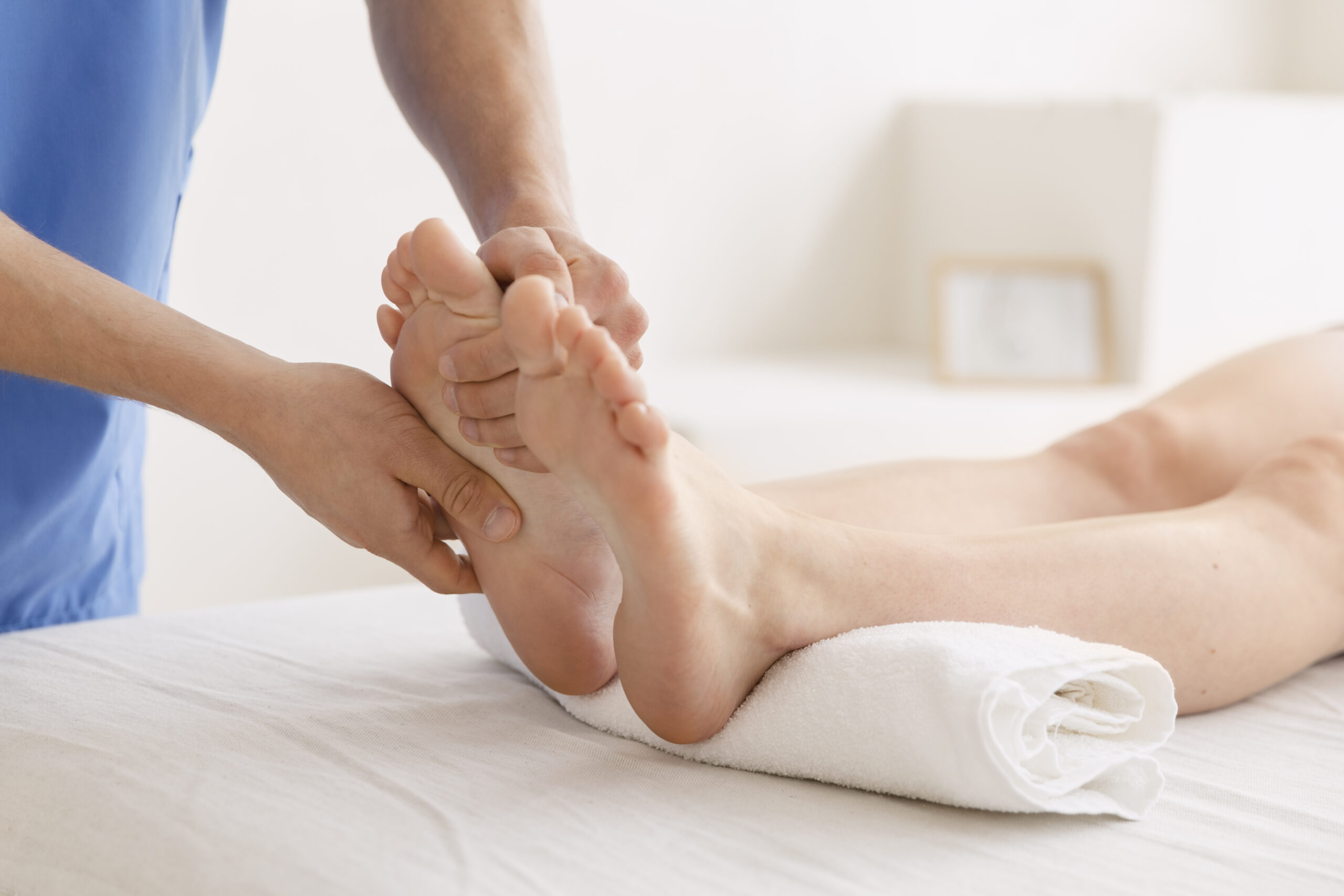
Your feet are essential for movement, absorbing shock and helping you balance with every step, run, or jump. Pain, misalignment, or injury can quickly impact your quality of life. Don’t wait until pain forces you to act. Prioritizing your foot health today is crucial for maintaining your activity and independence as you age.
As a complex machine, the human foot is built with 26 bones and 33 joints, held together and moved by more than 100 tendons, muscles, and ligaments.
These structures work in complex harmony to absorb shock, propel movement, and maintain equilibrium. The importance of foot health can be broken down into several critical functions:
Your feet form the base for your skeletal structure. Problems like flat arches, bunions, or poor gait throw your system out of alignment:
Shock absorption: Each step you take puts force on your body. Healthy feet and good shoes help absorb this impact, which protects your joints and spine over time.
Your feet are an excellent barometer for systemic diseases. Often, signs of serious chronic conditions manifest in the feet long before they are noticed elsewhere. This answers the crucial question: What can your feet tell you about your overall health?
Maintaining optimal foot health requires consistency and attention. Here are essential tips for healthy feet that you can integrate into your daily routine:
Fit is king: Always select shoes that fit properly. Measure to ensure you have a thumb’s width (around half an inch) of space ahead of your longest toe inside the shoe.
Avoid high heels and flats: High heels put a lot of pressure on the front of your foot and your Achilles tendon. Flat shoes, like some sandals, don’t give enough arch support. Pick shoes with good support and a roomy toe area.
Activity-specific shoes: Wear the right athletic shoes for each sport to get the support and cushioning you need.
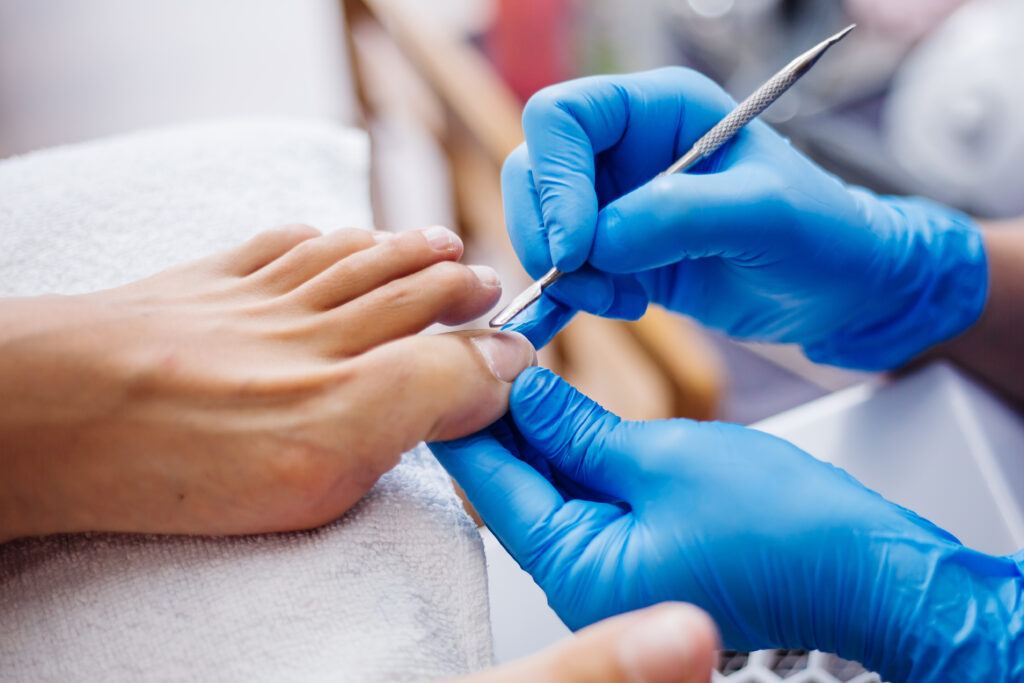
Trim correctly: Trim toenails straight across to prevent ingrown toenails. Avoid digging into the corners.
Manage hard skin: Use a pumice stone or file gently to manage calluses, but never attempt to cut corns or calluses yourself, especially if you have circulatory issues or diabetes.
Wash daily: Clean your feet every day with soap and water, and make sure to wash between your toes.
Moisturize: Use lotion to keep your skin soft, but don’t put it between your toes, since that can cause fungus.
Inspect regularly: Check your feet daily for cuts, blisters, redness, swelling, or nail changes. For those with diabetes, this is essential.
Foot exercises: You can boost your foot strength and flexibility by incorporating easy exercises, such as rolling a tennis ball under the arch, picking up small objects with your toes, or doing ankle circles.
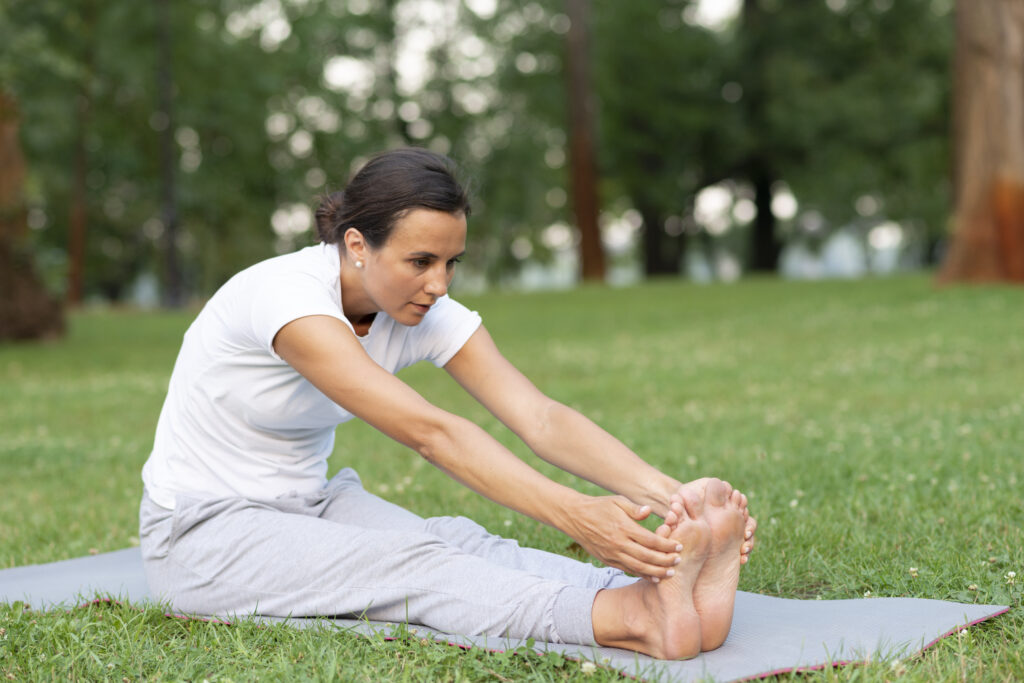
Stretching: Stretch your calf muscles and Achilles tendon often. This helps take pressure off your heel and arch.
Don’t ignore pain: Pain suggests an underlying problem. If it doesn’t go away, see an orthopedic specialist or podiatrist. Waiting can make things worse.
Specialized care: If you have diabetes or blood flow problems, make regular appointments with a podiatrist to check your feet.
Your feet tirelessly support you. By seeing them as structural foundations and health indicators, you can truly transform your wellness approach. As an orthopedic surgeon, Dr. Guillermo Sanchez urges you to prioritize your feet.
If you are experiencing persistent pain, notice structural changes, or want expert guidance on proactive foot care, schedule a consultation today with Dr. Guillermo Sanchez for the specialized diagnosis and care you need to keep moving comfortably and confidently.
Proactive foot care keeps you active and independent. Book a consultation with Dr. Guillermo Sanchez to start prioritizing your foot health today.