
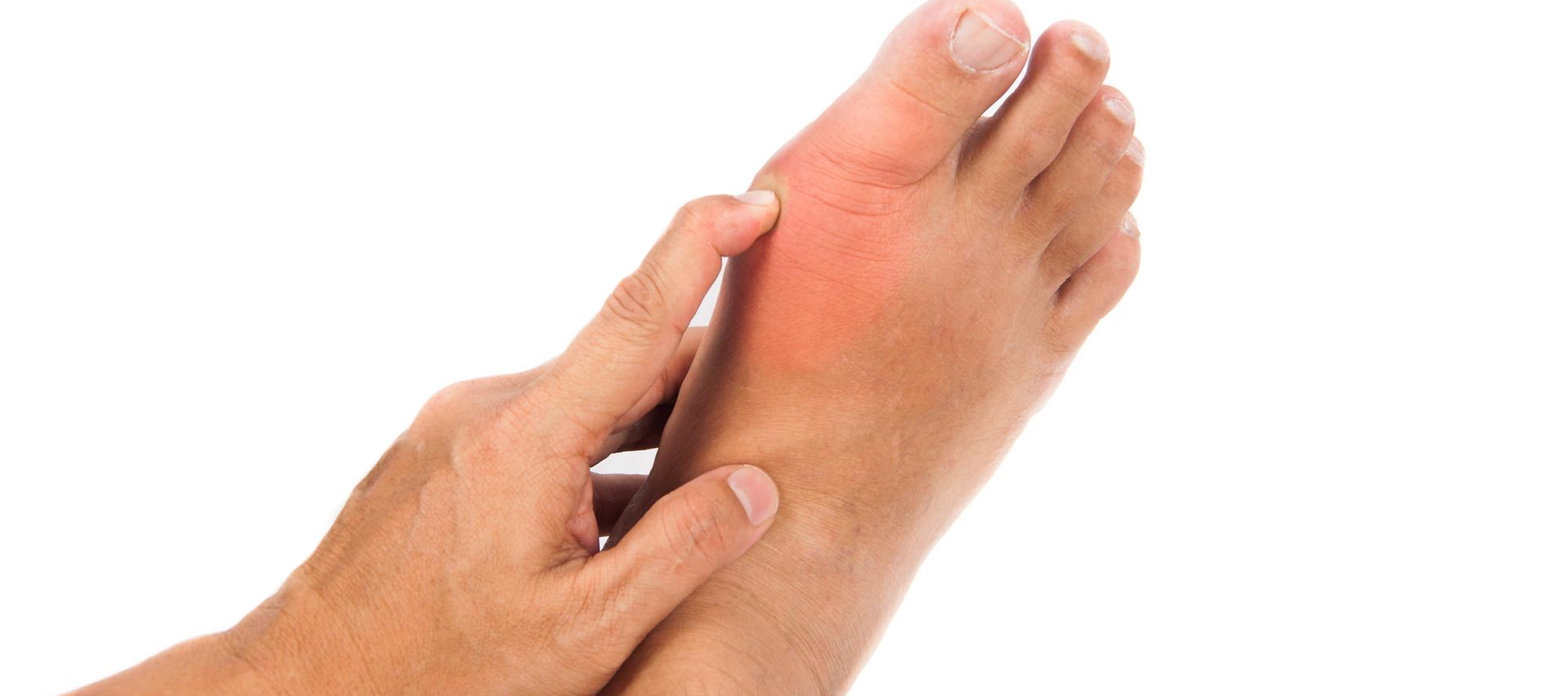
For individuals experiencing the pain and discomfort of a bunion, finding the proper bunion treatment in Dubai is a priority. Bunions, which are also called hallux valgus, are a common foot deformity that can seriously affect a person’s quality of life.
Dr. Guillermo Sanchez is dedicated to providing advanced solutions, including state-of-the-art bunion surgery Dubai, to help patients regain comfort and mobility.
Dr. Guillermo Sanchez specializes in modern surgical techniques, offering minimally invasive bunion surgery as a practical option for long-lasting relief with minimal disruption.
When the bones in the front of your foot move out of alignment, it causes a bony bump called a bunion to form on the joint of your big toe, which then points toward the smaller toes.
The joint at the base of the big toe is forced to protrude, a condition medically known as hallux valgus, or the abnormal outward turn of the toe. Bunions can cause chronic pain, inflammation, redness, and swelling. As the condition worsens, it can cause corns, calluses, and make wearing shoes difficult.
While some people may not experience any symptoms, the pain can become debilitating for others, affecting their ability to walk, exercise, or perform daily activities. Several factors contribute to the development of bunions, including:
A bunion does not always cause pain in the early stages, but as the condition progresses, it can become increasingly uncomfortable and begin to affect everyday activities.
You may notice:
For some people, symptoms come and go. For others, discomfort gradually becomes a daily problem that interferes with work, exercise, and normal movement.
Treatment depends on the severity of the bunion, your symptoms, and how much the condition impacts your quality of life.
In the earlier stages, conservative treatments may help reduce discomfort and improve day-to-day comfort.
These may include:
While these measures can ease symptoms, they cannot reverse the underlying deformity.
When pain persists despite conservative care, surgery may provide the most reliable long-term solution.
Depending on how sever the bunion is, treatment may involve:
It’s not just about getting rid of the visible bump; the focus is on addressing the root cause of the deformity and getting the foot functioning normally again.
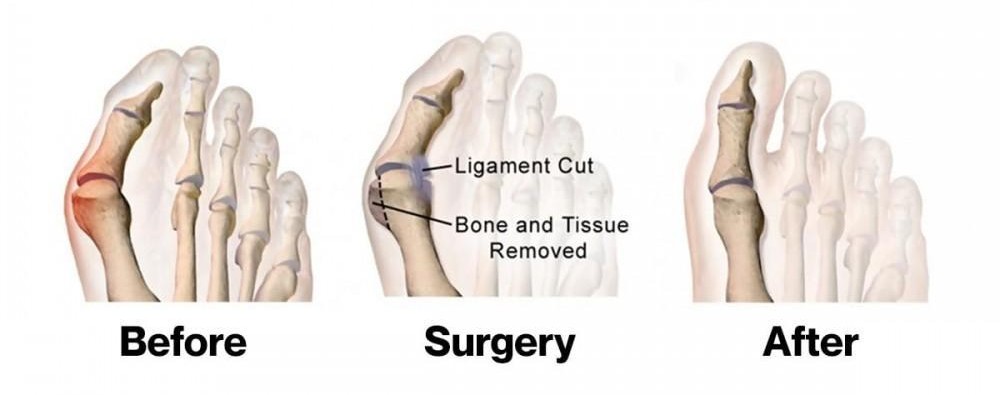
For many years, traditional bunion surgery involved large incisions and extensive soft tissue dissection, often leading to a more extended recovery period and significant post-operative pain.
Today, advances in orthopedic medicine have paved the way for minimally invasive bunion surgery (MIS), a revolutionary technique that offers a more comfortable and efficient recovery. Minimally invasive bunion surgery, or keyhole surgery, is done through tiny cuts that are usually only a few millimeters long.
Using X-ray guidance and specialized tools, the surgeon can precisely fix the bone deformity while barely disturbing the surrounding soft tissues, muscles, and ligaments. The procedure typically involves making minor cuts in the bone to realign it and then securing it with tiny screws.
This contemporary approach to bunion surgery Dubai has several key benefits compared to older methods, making it a top choice for many who want relief from bunion pain.
Choosing minimally invasive bunion surgery with a specialist like Dr. Guillermo Sanchez offers numerous benefits, including:
Tiny incisions lead to less scarring and aesthetically pleasing results.
With less soft tissue damage, patients typically experience less pain and swelling after the procedure.
The surgery's minimally invasive nature helps you return to your regular routine sooner. Many patients can walk on their feet within a day or two of the surgery.
By minimizing tissue trauma, the risk of infection and other complications is significantly reduced.
The surgery is commonly done as an outpatient procedure, which allows you to go home on the same day.
The purpose of minimally invasive bunion surgery is to achieve a durable and effective result by correcting the underlying bone deformity, not just by taking out the bump. It is an ideal bunion treatment in Dubai for patients seeking a fast, safe, and effective solution to their bunion pain.
When it comes to treatment outcomes and recovery, choosing the right experienced foot and ankle specialist can make all the difference.
Patients choose Dr. Guillermo Sanchez for:
Dr. Guillermo Sanchez focuses on helping patients move more comfortably, regain confidence in their mobility, and return to the activities they enjoy with less pain and greater freedom.
The entire process generally lasts for about an hour. The surgeon will use specialized instruments and a real-time X-ray called fluoroscopic guidance to make tiny cuts on the side of your foot to see and correct the bones.
You’ll receive thorough post-operative instructions on how to care for the surgical site, manage pain with medication, and when you can start putting weight on your foot.
Recovery is a gradual process. While you may be able to walk shortly after the surgery, full recovery and return to all activities, including high-impact sports, can take several weeks to a few months.
Regular follow-up appointments with Dr. Guillermo Sanchez ensure your recovery stays on track and the correction heals properly.
Recovery is an important part of achieving a successful outcome following bunion surgery.
Most patients can expect:
No two recoveries are exactly the same, but following post-op instructions carefully can really help set you up for the best possible outcome.
Many people live with bunion discomfort for years before doing anything about it, though early assessment can often keep symptoms from becoming more severe down the line.
Consider scheduling a consultation if:
A specialist evaluation can help determine the extent of the deformity and identify the most suitable treatment options before the condition progresses further.

A proper diagnosis is the first step toward effective treatment. Dr. Guillermo Sanchez will conduct a thorough physical examination of your foot, assessing the range of motion of your big toe and the extent of the deformity.
He will also talk about your symptoms and medical history. To confirm the diagnosis and find out how severe the bunion is, an X-ray is usually taken. An X-ray provides a clear image of the bones in your foot, allowing the doctor to measure the angle of the deformity and identify any joint damage or arthritis.
The detailed information collected is vital for developing the right and personalized hallux valgus treatment in Dubai for you.
At first, bunion treatment usually involves simple methods like wearing wider shoes, using orthotics, or taking pain medication. However, surgical intervention becomes the most effective long-term solution when these non-surgical options fail to provide relief.
Living with bunion pain does not have to be your reality. With advanced techniques like minimally invasive bunion surgery, you can find lasting relief and get back to enjoying a life free from foot pain.
Foot and ankle specialist – Dr. Guillermo Sanchez is committed to providing personalized and compassionate care, supporting you throughout your entire hallux valgus treatment in Dubai.
If you are considering bunion treatment in Dubai, we invite you to schedule a consultation to discuss whether minimally invasive bunion surgery is the right choice for you. Our team is committed to helping you walk comfortably and confidently again.
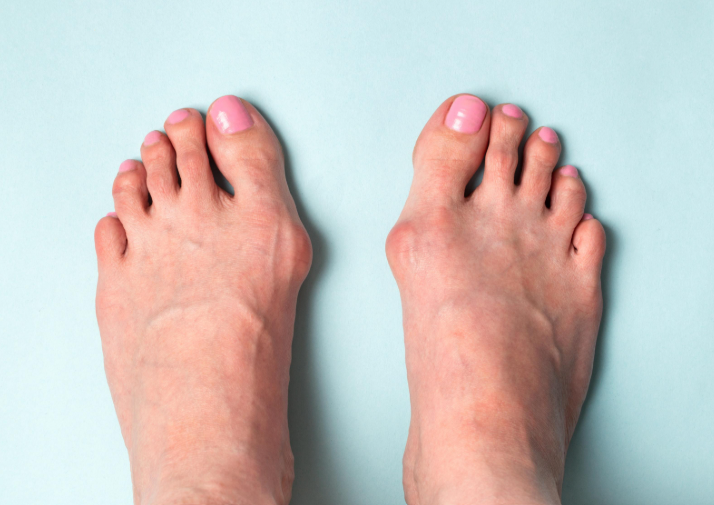
Are Bunions Hereditary? Causes and Genetic Risk Factors
Are bunions hereditary? Read on this blog, get to know everything about how bunions are linked to genetic factors.
Bunion surgery is recommended when conservative treatments no longer relieve pain and the bunion interferes with walking, exercise, work, or daily activities. Surgery may also be advised if the deformity continues to worsen or affects other toes.
The goals of bunion surgery are to:
Dr. Guillermo Sanchez focuses on personalized bunion treatment in Dubai to improve both mobility and quality of life.
After surgery, patients are usually advised to:
Following the postoperative plan carefully supports optimal recovery after bunion treatment in Dubai.
Bunion surgery itself is performed under anesthesia, so patients do not feel pain during the procedure. Mild to moderate discomfort may occur during the early recovery period, but this is usually well controlled with medication and proper postoperative care.
Most patients can begin walking carefully on the same day or shortly after surgery using a special postoperative shoe. The timing depends on the surgical technique performed and individual healing progress.
Yes, bunions are generally progressive and may worsen over time if left untreated. Delaying surgery can lead to increased pain, joint stiffness, worsening toe deformity, and additional pressure on the surrounding toes.
Bunion surgery is generally very successful, but recurrence is possible in some cases. Following postoperative instructions, wearing appropriate footwear, and attending follow-up visits can help reduce the risk of recurrence.
The ability to drive depends on which foot was operated on, the type of surgery performed, and how quickly recovery progresses. Most patients can resume driving once they can safely control the vehicle without pain or restriction and are no longer taking strong pain medication.
Bunions do not disappear on their own. However, early treatment and lifestyle modifications can help manage symptoms and slow the progression of the condition.