
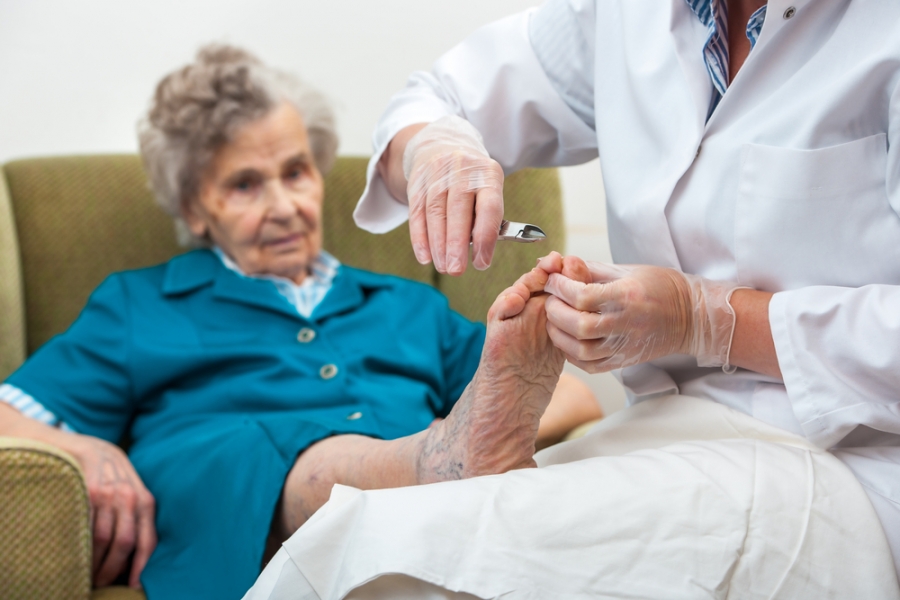
Most people don’t think much about their feet until they start to hurt. As we get older, changes in our feet can quietly affect our balance, comfort, and how active we can be. Dr. Guillermo Sanchez often sees patients who come in not only because of pain, but also because walking has become harder, and they feel less confident. Learning how to care for aging feet is important for staying mobile and independent as we age.
Over time, our feet go through natural changes. The padding on the soles gets thinner, skin becomes drier, and joints lose some flexibility. Arches may flatten, posture can shift, and blood flow to the feet often decreases. Because these changes happen slowly, many people don’t notice their effects until daily activities start to feel uncomfortable.
Dr. Sanchez often points out that foot health is deeply connected to the well-being of our whole body. When foot pain occurs, it can alter the way we walk, placing additional strain on the knees, hips, and lower back. If not treated early, this can cause other problems.
Common foot problems in the elderly include bunions, hammertoes, arthritis, thick nails, heel pain, and trouble with balance. People with diabetes may also have less feeling in their feet, which makes it harder to notice small injuries before they get worse.
Often, these problems don’t have just one cause. They can result from years of wearing the wrong shoes, poor circulation, long-term stress on the feet, and normal aging. Noticing these patterns is important for good foot care for the elderly.
Caring for your feet as you age starts with paying attention. Take a few minutes each day to check your feet for redness, swelling, cracks, sore spots, or changes in skin color. Catching these small issues early can stop them from turning into bigger problems or infections.
It’s also important to keep your feet clean and dry. Wash them gently, dry them well, especially between the toes, and use moisturizer to protect the skin. Dry, cracked heels might seem like a small issue, but if ignored, they can become painful and more likely to get infected.
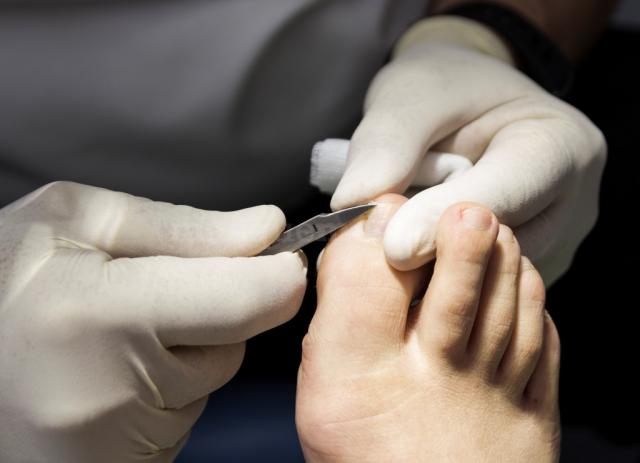
As we age, toenails often change. They can get thicker, become brittle, or grow in ways that lead to ingrown nails or pressure sores. If you have trouble caring for your feet because of limited movement, vision, or flexibility, it’s usually safest to get help from a professional.
Seeing a foot doctor regularly can help maintain the health of your nails, skin, and any early changes in shape under control before they cause pain or affect your walking. Dr. Sanchez encourages this proactive approach to keep your feet working well, instead of waiting for problems to get worse.
Wearing the wrong shoes is a common reason for foot discomfort as we age. Shoes that are old, too tight, or don’t support your feet can make problems worse or cause new ones. Look for shoes with good cushioning, arch support, sturdy soles, and enough space for your toes.
Dr. Sanchez often notices that patients feel more comfortable and balanced when they start wearing well-fitted, supportive shoes. The right footwear can take pressure off your joints and help prevent falls, which is especially important for older adults.
Keeping active is key to strong, flexible, and healthy feet. Activities like walking, stretching, or swimming can help reduce stiffness and improve foot health. Even simple exercises you can do while sitting, like ankle circles or toe curls, help keep you mobile and steady.
Moving regularly can slow down age-related foot problems and support your overall bone and muscle health. This helps make everyday tasks simpler and more comfortable.

Don’t ignore pain or think it’s just a normal part of getting older. Heel pain, bunions, stiffness, or swelling are signs that something needs attention. Delaying care can alter your walking pattern and place added strain on your knees, hips, and lower back. That’s why it’s important to see a foot doctor or orthopedic specialist as soon as possible. Getting advice early means you can get the right treatments, like special shoe inserts, better shoes, or physical therapy, which can help you avoid bigger problems and even surgery.
Healthy feet help you stay independent and confident. If your feet aren’t healthy, you’re more likely to fall, be less active, and your quality of life can suffer. Paying attention to your feet every day, wearing the right shoes, staying active, and getting professional help all support your comfort, stability, and long-term mobility.
Taking care of your aging feet isn’t just about comfort; it’s about staying mobile, balanced, and confident every day. Dr. Guillermo Sanchez encourages early awareness, practical steps, and regular checkups so you can keep moving safely and comfortably as you get older.
By paying attention to your feet, wearing supportive shoes, and seeing a foot doctor when needed, you can manage many common foot problems in the elderly. This helps you stay independent, active, and enjoy a better quality of life for years.