
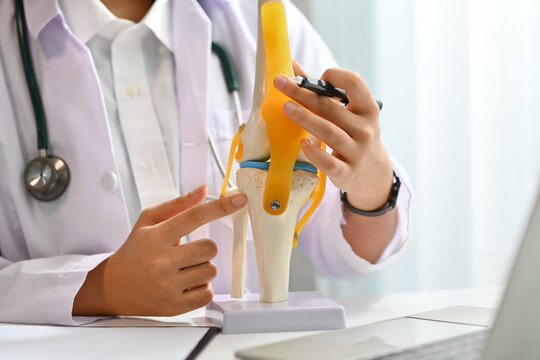
Delaying a knee replacement surgery is a decision many people make quietly. They adjust their routine, stop long walks, avoid stairs when possible, and keep a painkiller “just in case.” For a while, it can feel manageable.
So, is it safe to delay knee replacement surgery? Sometimes, it can be a yes. However, there are real risks when delaying knee replacement becomes a prolonged period of “not now,” even though the joint is steadily deteriorating.
This blog explains the changes that occur inside the knee when surgery is delayed, what happens to the rest of the body, and how to determine whether delaying surgery is wise or comes at a cost.
Knee replacement, also called knee arthroplasty, is typically recommended when the joint surfaces have worn down to the point where the knee can no longer move smoothly.
In advanced arthritis, the cartilage thins and cracks, and the bone ends begin to rub against each other. Pain becomes frequent, stiffness increases, and the knee may start bending or shifting out of alignment.
In a total knee replacement, the damaged joint surfaces are removed. They are then replaced with implants that recreate a hinge joint.
Rehabilitation, including strength and gait training, after surgery, is what transforms a technically sound operation into a functional result.
People often assume early surgery means “too young,” and late surgery means “older people only.” That is not how orthopedics works.
Early surgery typically means choosing treatment before the knee becomes severely deformed, before muscles have wasted away, and before the joint becomes fixed in a stiff position.
Late surgery means the patient is waiting until pain is constant, mobility is minimal, and non-surgical treatments are no longer helping.
The right timing depends on factors such as pain, function, stiffness, alignment, imaging results, health conditions, and how much your knee limits your daily activities.
In the initial stages, pain may flare after activity and settle with rest. However, with progressive arthritis, pain can occur during routine tasks and even at night.
People often increase medication use over time, and that brings its own concerns, especially in older adults or people with kidney, liver, or blood pressure issues.
The more it hurts, the less you move. The less you move, the weaker you get. That cycle is one of the most significant hidden risks.
A knee that is not being moved regularly can lose range of motion. Soft tissues tighten, and the joint can develop contractures, meaning it does not straighten fully or bend enough. This matters because post-operative recovery is usually smoother when pre-surgery motion and strength are better.

When arthritis progresses, the knee can drift into a bow-leg or knock-knee alignment. That shift increases load on the damaged side, speeding up the wear. It can also change the mechanics of walking.
A more severely deformed knee can still be replaced successfully, but surgical planning may become more complex, and recovery may require greater patience.
The quadriceps muscle is the knee’s primary support system. When people refrain from using the painful leg, the quadriceps muscle weakens quickly. That weakness affects stairs, transfers, and stability. It also increases fall risk.
Many patients are surprised by how much strength they have lost until they try to begin rehab. This is one reason earlier evaluation matters.
Most people shift weight to the other leg and rotate their hips and spine without noticing. Over time, this can lead to:
When walking becomes limited, activity drops. That can affect weight, stamina, sugar control, and cardiovascular fitness. Those changes matter because better general fitness usually supports safer surgery and smoother rehabilitation.
With advanced arthritis, there can be increased bone loss, greater ligament imbalance, and increased stiffness. None of this makes surgery “impossible,” but it can make the procedure and the early rehab phase more demanding.
In practical terms, people who wait until they are almost housebound often need longer and more structured rehabilitation to reach the same functional goals.
Not everyone needs surgery the moment arthritis is diagnosed. A delay can be sensible if:
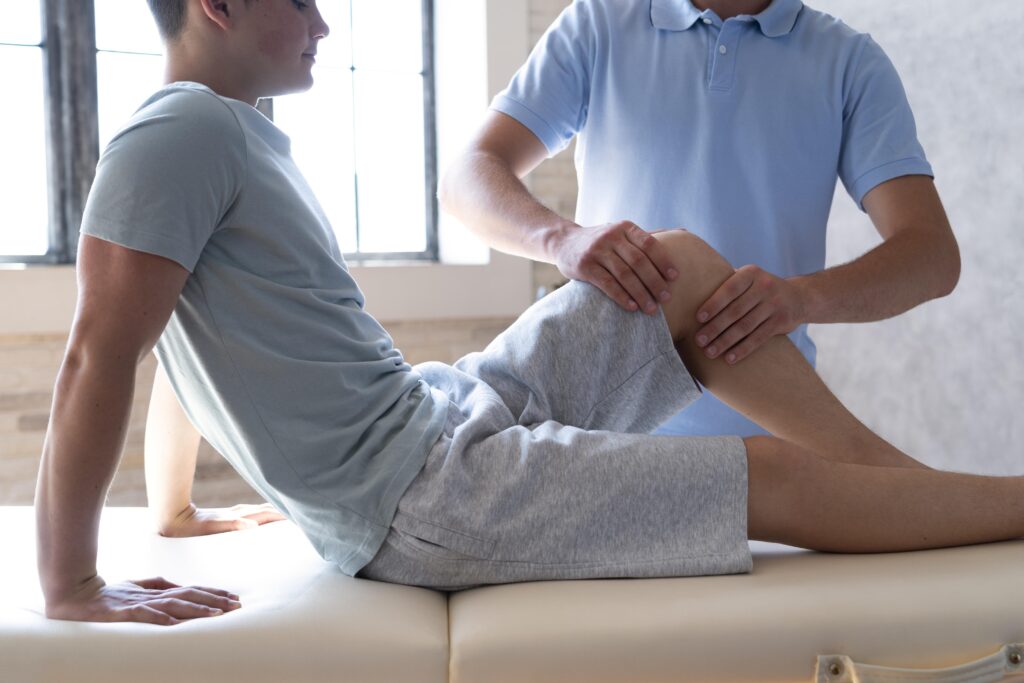
The key difference lies in whether the delay is planned and monitored or occurs without reassessment.
If you are considering knee replacement in Dubai, the goal is not to push you toward surgery. The goal is to define the right window for you.
If you are uncertain whether delaying knee replacement is still appropriate in your case, a focused consultation can help clarify what is happening in your knee now, what may worsen with time, and when intervention becomes the safer choice.
Delaying knee replacement is not wrong. But delaying past the point where pain, stiffness, weakness, and deformity are clearly progressing can make life smaller than it needs to be, and can make recovery more complicated than it should be.
If your knee pain affects sleep, limits walking to short distances, or forces you to change how you move every day, it is time to get a clear orthopedic opinion. Even if surgery is not immediate, you deserve a plan.
If you are unsure whether delaying knee replacement is still right for you, a focused orthopedic evaluation can bring clarity. Dr. Guillermo Sanchez offers personalized consultations that look beyond scans alone, assessing movement, strength, alignment, and how your knee truly affects daily life.
Book a consultation today to get a clear plan that protects your long-term mobility and quality of life.