
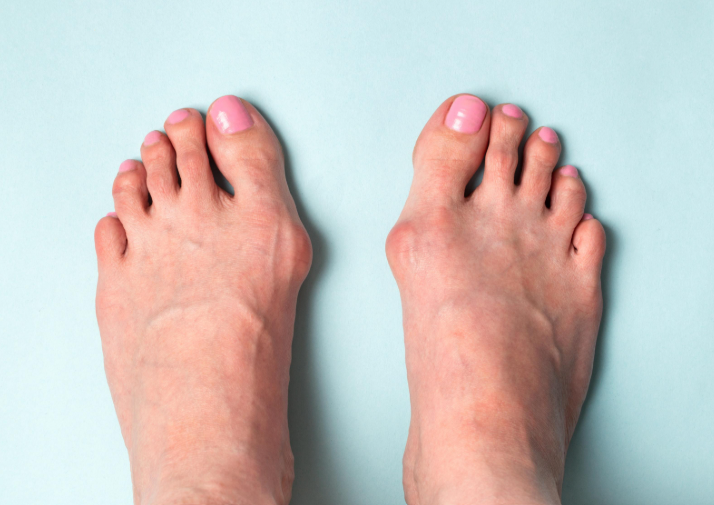
Bunions can be more than just a cosmetic concern; they often cause pain, swelling, and difficulty finding comfortable footwear. But have you ever wondered whether bunions run in families? Many people notice that their parents or grandparents had the same condition, raising the question:
Are bunions hereditary?
Understanding the genetic and lifestyle factors behind bunions can help you take preventive measures in advance to manage them effectively.
At Dr. Guillermo Sanchez’s clinic, patients receive personalized foot assessments and advanced treatments designed to address both the root causes and symptoms of bunions. With his expertise in podiatric care, Dr. Guillermo helps individuals restore comfort, improve mobility, and prevent further progression of the condition.
A bunion, or hallux valgus, is a deformity that occurs when the big toe starts leaning toward the second toe, causing a bony bump to form at the joint’s base. This misalignment can lead to pain, inflammation, redness, and even calluses or corns. Over time, untreated bunions can worsen and interfere with normal walking or shoe fitting.
While many assume bunions result purely from wearing tight shoes, the truth is more complex. Certain foot structures and mechanics, often inherited from your parents, make some people more susceptible than others.
So, are bunions hereditary?
Research strongly suggests that they can be. Studies have found that bunions often run in families, especially among women. In fact, some reports estimate that more than 60% of bunion cases have a hereditary component.
But it’s not the bunion itself that’s passed down; it’s the foot structure that predisposes someone to developing it.
For example, you may inherit:
These structural traits can alter the way pressure is distributed across the foot, gradually forcing the big toe joint out of alignment. Over time, even normal daily activities or shoe pressure can trigger a bunion to form.
So, if your parents or grandparents have bunions, there’s a higher chance you may develop them too, especially if similar foot mechanics are present.
While both men and women can develop bunions, they are significantly more common in women. Genetics plays a role here, too; certain inherited bone structures that make bunions more likely are often found in women. However, cultural factors amplify this risk: wearing high heels or narrow shoes can accelerate the condition in genetically predisposed individuals.
So yes, foot bunions can be hereditary, but footwear choices, occupational habits, and standing posture can influence how early and severely they appear.
Although hereditary traits play a large role, they are not the only cause. A number of external and biomechanical factors can worsen or accelerate bunion formation.
Wearing too tight, narrow, or high-heeled shoes can compress the toes and force the big toe joint out of place. Over years of use, this can turn a mild deformity into a painful bunion.
Jobs that require long hours of standing or walking can strain the foot, making bunions worse, especially when combined with poor footwear.
Previous trauma to the foot or toe joint can alter alignment, contributing to the gradual formation of a bunion.
Inflammatory joint conditions like rheumatoid arthritis can damage the joint lining, leading to deformities, including bunions.
Bunions typically appear in adulthood and worsen with age. They are also more common in women, as mentioned earlier, due to both genetic and lifestyle influences.
Identifying a bunion early can help you take preventive measures before it worsens.
Common signs include:
If you notice any of these symptoms, consulting a foot specialist like Dr. Guillermo Sanchez early can make a major difference in your long-term comfort and foot health.
Dr. Guillermo Sanchez is a highly experienced specialist known for his all-inclusive approach to diagnosing and treating bunions. He understands that every case is unique, especially when hereditary factors are involved.
At his clinic, Dr. Guillermo offers:
His focus is on delivering long-lasting comfort and correction, ensuring you can walk with confidence again.
Not all bunions require surgery, but if pain interferes with daily activities or conservative measures fail, bunion surgery may be the best solution.
The procedure typically involves:
Modern bunion surgery techniques used by Dr. Guillermo Sanchez, a foot and ankle specialist, are minimally invasive, resulting in smaller incisions, faster recovery, and less postoperative discomfort.
Even if bunions are hereditary, preventive care can help minimize your risk or delay their onset.
Here are some proactive steps you can take:
Early consultation is key; addressing biomechanical issues before deformities develop can help protect your feet for the long term.
Genetics can make you more susceptible, but they’re not the only factor. Lifestyle choices, footwear, and foot mechanics all play a role in how bunions develop and progress. Getting to know about your risk factors allows you to take early preventive steps and seek professional help before the condition worsens.
With his expertise in bunion treatment, Dr. Guillermo Sanchez – foot and ankle specialist helps patients find relief from pain and restore natural alignment, regardless of whether their bunions are hereditary or acquired.
If you’ve noticed signs of bunion formation or have a family history of them, don’t wait for the discomfort to worsen.
Schedule a consultation with Dr. Guillermo today and take the first step toward pain-free, confident movement.